
Filming Psychology: Overcoming Camera Anxiety
Overcome camera anxiety and performance fears to deliver confident YouTube content. Learn psychological strategies, preparation techniques, and mindset shifts for natural on-camera presence.
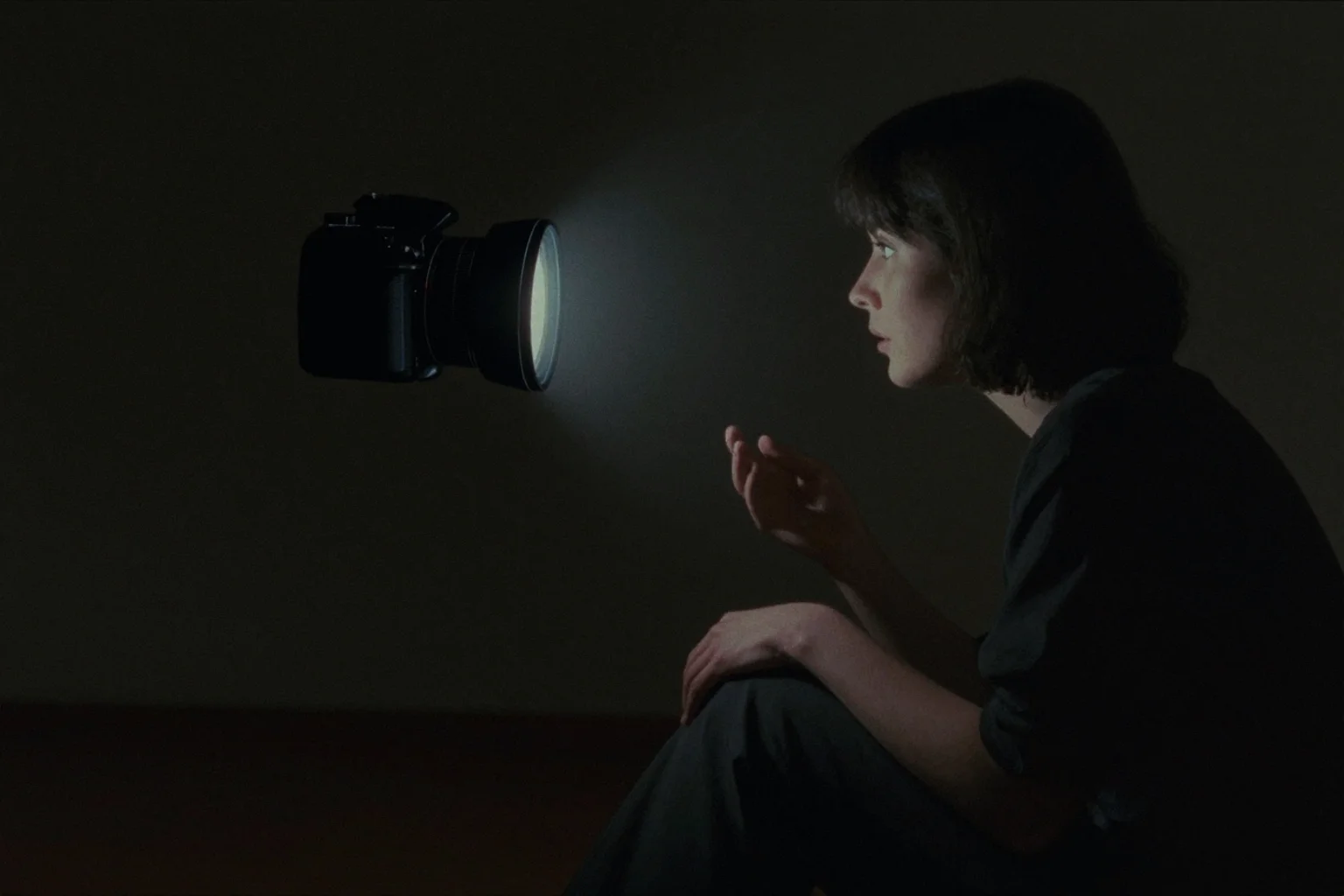
Executive Summary
Camera anxiety - the fear, nervousness, and self-consciousness triggered by being recorded - sabotages more YouTube channels than technical problems, algorithm changes, or content strategy failures combined. The physiological stress response that evolved to protect us from predators now activates in front of camera lenses, transforming articulate, confident individuals into stumbling, awkward performers. This comprehensive guide provides evidence-based psychological strategies and practical techniques to overcome camera anxiety, develop authentic on-camera presence, and deliver content with the confidence that builds audience trust and engagement.
The tragedy of camera anxiety is that it often afflicts the most thoughtful, knowledgeable creators - people whose expertise could genuinely help audiences but who struggle to deliver that value through video. Understanding the psychology of performance anxiety, implementing systematic desensitization protocols, and developing authentic on-camera personas enables these creators to overcome their greatest barrier to success and connect with audiences who need their insights.
First Principles: Understanding Camera Anxiety
Camera anxiety isn’t weakness or inadequacy - it’s a normal physiological response to perceived threat. Understanding the mechanisms behind this response is the first step toward managing it effectively.
The Evolutionary Roots of Performance Anxiety
Human evolution didn’t prepare us for cameras. For millions of years, being watched by eyes meant potential danger - predators, rival tribes, or social threats evaluating us for weakness. The stress response (increased heart rate, cortisol release, muscle tension) evolved to prepare bodies for fight-or-flight situations.
Cameras trigger this ancient response because our brains can’t distinguish between real social threat and recorded performance. The lens represents “being watched,” activating the same neural pathways as facing a hungry predator or hostile tribe. This isn’t irrational fear - it’s your brain doing exactly what evolution designed it to do.
Understanding this reframes camera anxiety from personal failure to biological programming. You’re not broken or inadequate; you’re human. The goal isn’t to eliminate the stress response entirely (impossible and unnecessary) but to manage it effectively and prevent it from sabotaging your performance.
The Spotlight Effect and Self-Consciousness
The spotlight effect describes our tendency to overestimate how much others notice and evaluate our appearance and behavior. On camera, this intensifies dramatically - you know footage will be scrutinized, rewound, and potentially viewed by thousands. This awareness creates paralyzing self-consciousness.
Research shows that people notice our mistakes and awkwardness far less than we imagine. What feels like catastrophic failure to us often goes unnoticed by audiences focused on content rather than performance perfection. Internal critics are always harsher than external observers.
Camera anxiety amplifies the spotlight effect because recording creates permanent evidence of our performance. Unlike live presentations where mistakes fade from memory, video preserves every stumble and awkward moment for infinite replay. This permanence heightens the stakes and intensifies anxiety.
The Imposter Syndrome Connection
Many creators struggling with camera anxiety simultaneously experience imposter syndrome - the belief that they’re frauds who don’t deserve their platform and will be exposed as inadequate. These syndromes feed each other: fear of exposure creates anxiety, anxiety creates poor performance, poor performance seems to confirm the imposter fears.
Imposter syndrome affects high-achievers disproportionately because they have the intelligence and insight to recognize how much they don’t know. The Dunning-Kruger effect inversely means that less competent people often feel more confident because they lack the awareness to recognize their shortcomings. Competent creators face the paradox of knowing enough to doubt themselves.
Breaking this cycle requires separating self-worth from performance outcomes. Your value as a human being doesn’t depend on this video’s metrics. Your expertise is real even when delivery feels shaky. The audience clicked for information and entertainment, not perfection.
The Physiology of Performance Anxiety
Camera anxiety manifests through specific physiological symptoms. Understanding and managing these bodily responses provides concrete control over the anxiety experience.
Recognizing Stress Response Symptoms
Cardiovascular: Increased heart rate, elevated blood pressure, feeling your heartbeat in your throat Respiratory: Shallow breathing, breathlessness, hyperventilation, difficulty speaking continuously Muscular: Tension in shoulders, neck, jaw; trembling hands; stiffness in performance Gastrointestinal: Nausea, butterflies, digestive distress, dry mouth Cognitive: Racing thoughts, difficulty concentrating, blanking on prepared content, self-critical internal monologue Temperature: Sweating (especially palms, forehead), hot flashes, or feeling chilled
These symptoms form a feedback loop: physical sensations trigger worry about performance, which intensifies physical symptoms, which increases worry. Breaking this loop requires addressing both physiological and cognitive components.
Immediate Physiological Interventions
Breathing Techniques: The 4-7-8 technique (inhale 4 counts, hold 7, exhale 8) activates the parasympathetic nervous system, counteracting stress response. Practice before recording and between takes.
Progressive Muscle Relaxation: Systematically tense and release muscle groups (fists, shoulders, face, legs) to release accumulated tension. This reduces the physical stiffness that reads as awkwardness on camera.
Temperature Regulation: Cold water on wrists or splash on face activates the mammalian dive reflex, slowing heart rate. Conversely, warming cold hands improves dexterity and reduces physical discomfort.
Grounding Techniques: Press feet firmly into floor, notice five things you see/hear/feel. Grounding brings attention to present moment rather than catastrophic future predictions.
Managing Adrenaline Effectively
Adrenaline isn’t inherently bad - it provides energy and focus when channeled correctly. The goal isn’t eliminating adrenaline but preventing it from overwhelming your system:
- Channel into enthusiasm: Reframe adrenaline as excitement rather than fear
- Physical release: Shake out limbs, jump in place, release excess energy before recording
- Strategic caffeine: Avoid additional stimulants that compound adrenaline effects
- Warm-up rituals: Develop pre-recording routines that signal safety to your nervous system
Psychological Strategies for Camera Confidence
Mental frameworks and cognitive techniques transform anxiety from obstacle to manageable challenge.
Reframing the Camera Relationship
Shift from Performance to Conversation: You wouldn’t feel camera anxiety talking to a friend on FaceTime. Reframe recording as an intimate conversation with one specific audience member rather than a performance for masses. This reduces the spotlight effect and activates natural conversational patterns.
Embrace Authenticity Over Perfection: Perfection is unrelatable and often boring. Authenticity - including authentic nervousness - builds connection. Some viewers find slight vulnerability endearing and trustworthy. Your anxiety signals that you care about delivering value.
Focus on Service, Not Evaluation: Anxiety intensifies when focused on being judged. Shift focus to serving your audience - what do they need? How can you help? This outward focus reduces self-consciousness and activates your expertise rather than your insecurities.
Normalize Mistakes: Professional creators make mistakes constantly. They edit them out, reshoot, or roll with them naturally. Perfect delivery in final videos represents editing, not single-take perfection. Give yourself permission to be human.
Cognitive Restructuring Techniques
Challenge Catastrophic Thoughts: When thinking “This video will ruin my channel” or “Everyone will think I’m stupid,” ask: What’s the actual evidence? What’s the worst realistic outcome? What’s the best? What’s most likely?
Reality Testing: Record deliberately bad footage - stumble over words, look awkward, make mistakes. Edit it into a coherent video. You’ll discover that even “bad” performance can become acceptable content with editing. This reduces stakes and proves your fears overstate actual risk.
Success Visualization: Rather than imagining disaster, visualize successful recording sessions. Picture yourself speaking confidently, handling mistakes gracefully, and creating valuable content. Mental rehearsal activates similar neural pathways as actual practice.
Evidence Collection: Keep a folder of positive comments, successful videos, and moments when you performed well. When anxiety tells you that you’re inadequate, review the evidence that contradicts this belief.
Developing an On-Camera Persona
Many confident creators report that their on-camera persona differs from their off-camera personality. This isn’t inauthenticity - it’s appropriate context adaptation. You behave differently at parties than funerals, with friends than with colleagues. On-camera presence is another context requiring adjusted behavior.
Persona Development Process:
- Identify creators whose on-camera presence you admire
- Analyze specific elements: energy level, speaking pace, humor usage, vulnerability
- Experiment with adopting aspects that feel natural to you
- Gradually develop your unique blend of these influences
- Allow the persona to evolve as you grow comfortable
Your persona should be an amplified, polished version of your genuine personality - not a completely fabricated character that requires exhausting maintenance. Think of it as “best self mode” rather than “fake self mode.”
Systematic Desensitization and Exposure
Like fear of spiders or heights, camera anxiety responds to gradual exposure and systematic practice.
The Hierarchy of Camera Exposure
Create a personal hierarchy from least to most anxiety-provoking camera situations:
Level 1: Recording yourself talking to camera with no intention of publishing Level 2: Recording with the possibility of publishing, but no immediate plan to do so Level 3: Recording with definite intention to publish to small audience (private group, limited release) Level 4: Recording for public YouTube channel with small subscriber base Level 5: Recording for established channel with significant audience Level 6: Live streaming (no editing safety net) Level 7: Public speaking with live audience being recorded
Systematically work through levels, spending time at each until anxiety diminishes before progressing. Don’t jump to Level 6 while still panicked at Level 2. Mastery at each stage builds foundation for the next.
Structured Practice Protocol
Daily Micro-Recordings: Record 30-60 seconds daily on your phone - thoughts about your day, reactions to news, anything. Delete immediately. The goal is habituation, not content creation. Do this for 30 days to normalize being recorded.
Private Practice Videos: Create videos you never intend to publish. Practice scripts, try different delivery styles, experiment wildly. Release the pressure of public judgment while building technical and performance skills.
Limited Audience Releases: Share videos with trusted friends or small supportive communities before public release. Positive response from safe audiences builds confidence for wider exposure.
Scheduled Progression: Commit to publishing schedule that forces regular exposure. Consistency matters more than perfection. Each video desensitizes you further and proves that anxiety predictions are inflated.
Building Recording Rituals
Rituals signal safety to your nervous system and create psychological boundaries between “normal life” and “recording mode”:
- Physical preparation: Specific grooming, wardrobe, set arrangement sequence
- Mental preparation: Meditation, affirmations, or visualization routine
- Technical preparation: Equipment check, test recording, audio verification
- Transition ritual: Specific action that signals “recording mode activated” (clap slate, take three breaths, specific phrase)
These rituals create containment - anxiety stays within the ritual container rather than bleeding into general life. They also provide familiar structure that reduces uncertainty (a major anxiety trigger).
Technical Strategies for Anxiety Management
Practical production choices can significantly reduce anxiety triggers.
Reducing Environmental Pressure
Private Recording Spaces: Record where you can’t be overheard or interrupted. Audience awareness (even just someone in the next room) intensifies performance anxiety. If necessary, record when housemates are away or use “recording in progress” signage.
Teleprompter Use: Reading from teleprompters reduces working memory load, allowing focus on delivery rather than content recall. Less cognitive load means less anxiety. Start with full scripts and gradually reduce dependence as confidence builds.
Single-Camera Efficiency: Multi-camera setups increase pressure because more can go wrong and stopping requires resetting multiple devices. Start with single-camera workflows that minimize logistical complexity and stopping costs.
Comfortable Set Design: Create recording environments that feel safe and pleasant. Comfortable temperature, familiar objects, pleasant aesthetics - these environmental factors influence psychological state.
Post-Production Safety Nets
Knowing that mistakes can be fixed in editing significantly reduces performance pressure:
- Liberal cutting: Plan to remove mistakes, “ums,” and awkward pauses
- Multiple takes: Record segments multiple times and select best performance
- B-roll coverage: Shoot plenty of B-roll to cover jump cuts and transitions
- Jump cut acceptance: Embrace jump cuts as modern editing style rather than failures
- Pickup recordings: Record problematic sections separately and insert during editing
Understanding your editing capabilities provides psychological safety. You’re not trapped by single-take perfection requirements - you have tools to construct polished final products from imperfect raw material.
Equipment Familiarity
Technical unfamiliarity compounds performance anxiety. Equipment problems during recording create frustration that intensifies stress response:
- Pre-recording checks: Test all equipment before important sessions
- Redundant systems: Backup audio recorders, spare batteries, duplicate memory cards
- Automation: Use presets and templates to reduce real-time decision-making
- Muscle memory: Practice equipment operation until it becomes automatic
When technical operations require conscious attention, they’re unavailable for performance focus. Automate everything possible.
Long-Term Confidence Building
Sustainable on-camera confidence develops through accumulated positive experiences and identity evolution.
The Competence-Confidence Loop
Competence breeds confidence, which enables better performance, which builds more competence. But where do you start if you lack both?
Skill Development First: Invest time learning technical skills (editing, camera operation, lighting) before focusing heavily on performance. Technical competence reduces anxiety by increasing predictability and control.
Small Wins Accumulation: Celebrate publishing videos regardless of metrics. Each completed video proves you can overcome anxiety and finish projects. Build portfolio of completed work that demonstrates your capability.
Gradual Challenge Escalation: As competence grows, gradually increase challenge - longer videos, live elements, more complex formats. Confidence grows through successfully navigating manageable challenges, not through avoiding all difficulty.
Identity Integration
Eventually, “content creator” becomes integrated into your self-concept rather than an uncomfortable role you’re trying on:
- Self-talk evolution: Shift from “I’m trying to be a YouTuber” to “I’m a YouTuber”
- Evidence accumulation: Your body of work proves your identity
- Community integration: Connecting with other creators normalizes the identity
- Professional development: Courses, conferences, and continuous learning reinforce identity
Identity integration doesn’t happen overnight. It requires repeated practice and public commitment to the role until it feels natural.
Managing Setbacks and Criticism
Even confident creators face negative comments, bad videos, and performance setbacks. Resilience distinguishes successful long-term creators from those who quit:
- Separate criticism from identity: Negative comments critique content, not your worth as a person
- Constructive filtering: Extract useful feedback from noise; ignore pure negativity
- Perspective maintenance: One bad video doesn’t erase a catalog of good work
- Recovery protocols: Specific processes for bouncing back from disappointments
Develop a “failure ritual” - specific steps you take after disappointing performance to process emotions, extract lessons, and return to production. This prevents single setbacks from derailing entire projects.
When to Seek Professional Help
For some creators, camera anxiety represents clinical-level social anxiety or performance anxiety requiring professional intervention.
Recognizing Clinical Anxiety
Consider professional help if you experience:
- Panic attacks before or during recording
- Anxiety so severe you cannot record despite wanting to
- Physical symptoms (vomiting, shaking, inability to speak) that don’t respond to self-management
- Anxiety that persists and worsens despite systematic exposure
- Significant depression or hopelessness about ever overcoming anxiety
- Anxiety that interferes with non-creative life areas
Mental health professionals can provide cognitive behavioral therapy (CBT), exposure therapy, or medication that addresses clinical anxiety more effectively than self-help strategies alone.
Therapeutic Approaches
Cognitive Behavioral Therapy: Identifies and changes thought patterns driving anxiety. Highly effective for performance anxiety.
Exposure and Response Prevention: Systematic, therapist-guided exposure to anxiety triggers while preventing safety behaviors that maintain fear.
Acceptance and Commitment Therapy: Teaches accepting anxiety symptoms while committing to valued actions (creating content) regardless of discomfort.
Medication: Beta-blockers specifically address physical performance anxiety symptoms. SSRIs can treat underlying anxiety disorders. These require medical supervision.
Seeking professional help isn’t weakness - it’s strategic resource deployment. If anxiety prevents you from pursuing goals despite genuine effort, professional support may be the catalyst that enables success.
The AutonoLab Advantage
Overcoming camera anxiety requires more than willpower - it demands systematic approaches, psychological insight, and often external support that many creators struggle to access. AutonoLab’s intelligent content optimization platform includes creator wellbeing features designed to address the psychological barriers that prevent talented individuals from sharing their expertise.
The platform provides personalized anxiety management protocols based on your specific triggers and responses. Through analysis of your current content and workflow patterns, AutonoLab identifies the situations that most intensely activate your stress response - whether it’s live recording pressure, specific technical uncertainties, or audience interaction fears. This targeted insight enables focused intervention rather than generic “relax” advice.
AutonoLab’s guidance extends to practical production strategies that reduce anxiety while maintaining quality - suggesting specific workflow modifications, equipment configurations, and recording approaches that minimize triggers for your particular situation. The platform also connects creators with community resources, educational materials on performance psychology, and when appropriate, referrals to mental health professionals specializing in creative performance anxiety.
Beyond individual support, AutonoLab tracks industry-wide patterns in creator mental health, contributing to research that reduces stigma and improves support systems for content creators. The platform recognizes that sustainable YouTube success requires psychological sustainability, and treats creator wellbeing as essential infrastructure rather than optional luxury.
Implementation Checklist
Immediate Anxiety Management:
- Practice 4-7-8 breathing technique before recording sessions
- Implement progressive muscle relaxation to release physical tension
- Use grounding techniques when anxiety spikes during recording
- Develop pre-recording ritual that signals safety to nervous system
- Keep water nearby and stay hydrated (dehydration amplifies anxiety symptoms)
Cognitive Reframing:
- Reframe recording as conversation rather than performance
- Challenge catastrophic thoughts with evidence-based reality testing
- Focus on serving audience rather than fearing evaluation
- Collect positive evidence (comments, successes) to combat imposter syndrome
- Visualize successful recordings before starting
Systematic Exposure Plan:
- Create personal anxiety hierarchy (Level 1-7)
- Commit to daily micro-recordings for 30 days
- Produce private practice videos never intended for publication
- Start with limited audience releases before public publishing
- Gradually progress through anxiety hierarchy without skipping levels
Technical and Environmental Setup:
- Create private recording space free from interruptions
- Implement teleprompter use to reduce cognitive load
- Develop pre-recording equipment checklist to prevent technical anxiety
- Build B-roll library to provide editing safety nets
- Master equipment operation until it becomes automatic
Long-Term Confidence Building:
- Celebrate completion of videos regardless of metrics
- Connect with creator community for normalization and support
- Invest in technical skill development to increase competence
- Gradually escalate challenge level as confidence grows
- Develop setback recovery protocols for resilient response to criticism
Conclusion
Camera anxiety is the invisible barrier that stops more potential YouTube success than any algorithm change or equipment limitation. Understanding that this anxiety represents normal human psychology rather than personal inadequacy is the foundation for overcoming it. The creators who succeed aren’t those without fear - they’re those who persist despite fear, developing systematic approaches that manage anxiety while delivering valuable content.
The strategies in this guide work through multiple mechanisms: physiological interventions that calm the stress response, cognitive techniques that reframe threatening situations, gradual exposure that builds tolerance, and practical production choices that reduce anxiety triggers. No single technique eliminates camera anxiety completely, but combining approaches creates cumulative effect that transforms paralyzing fear into manageable nervousness.
Most importantly, remember that your anxiety often signals that you care deeply about delivering quality to your audience. That care is an asset, not a weakness. The goal isn’t becoming emotionless robot but channeling your energy effectively. Many beloved creators describe early videos where they shook with nervousness - anxiety doesn’t prevent success if you create anyway.
Start where you are. Use the techniques that resonate with your specific situation. Build gradually through systematic exposure. And remember that every confident creator you admire once stood exactly where you stand now, wondering if they could ever feel natural in front of a camera. They could. You can too. The only way out is through - press record, stumble forward, and trust that competence and confidence will meet you on the other side of persistence.