
The A-Cut Workflow: Removing the Fat, Keeping the Gold
Master the A-cut editing workflow to create tighter, more engaging videos. Learn the systematic approach to removing filler while preserving your best content.
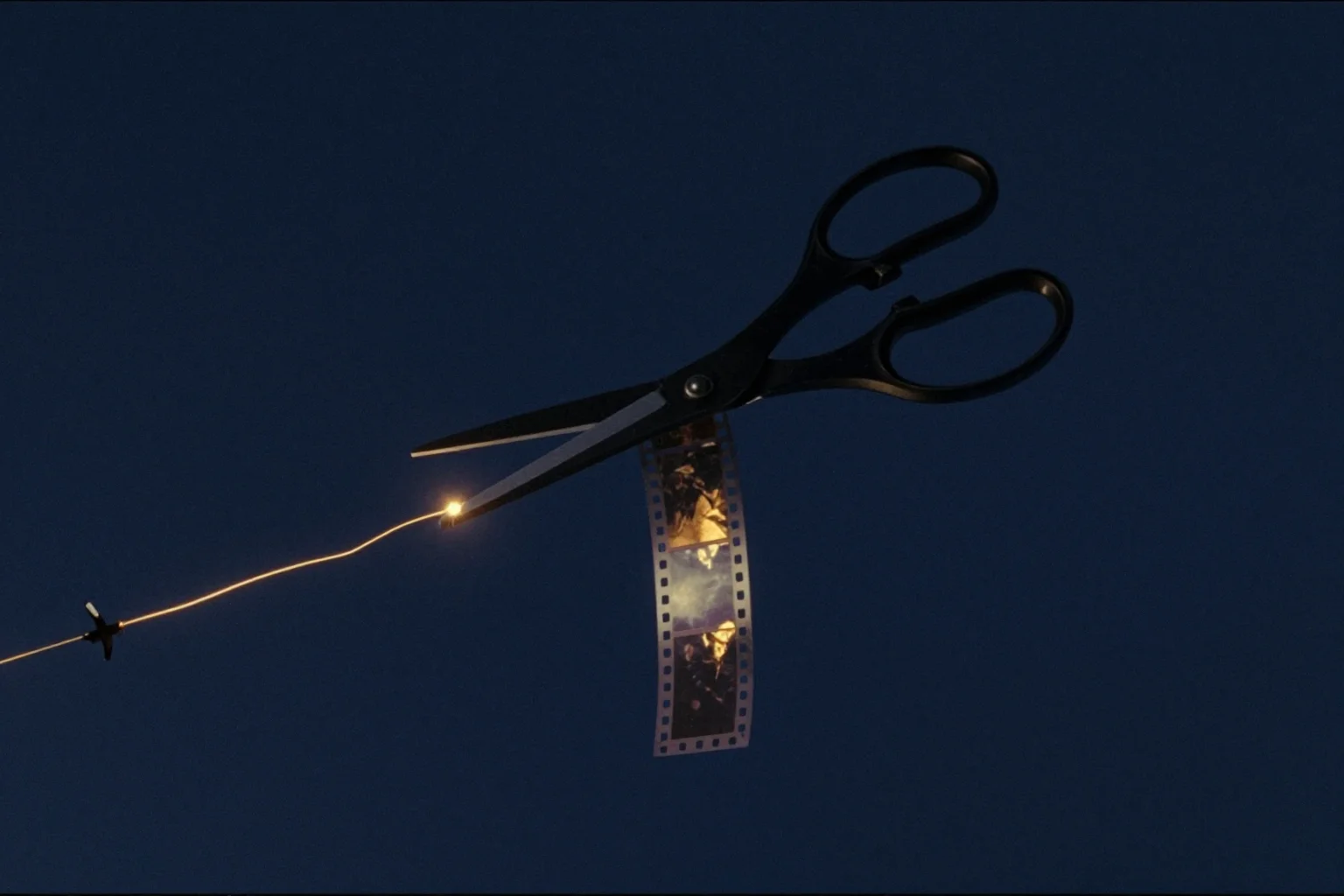
The A-Cut Workflow: Removing the Fat, Keeping the Gold
Executive Summary
The A-Cut represents the foundation of professional video editing - the essential narrative thread that carries your story from beginning to end without any distractions. It’s your video’s spine, the carefully selected moments that deliver maximum value while maintaining momentum. When you master the A-cut workflow, you eliminate filler content, tighten pacing, and create videos that respect your audience’s time while delivering exceptional value. This comprehensive guide walks you through a systematic approach to identifying, extracting, and assembling only your strongest material, transforming raw footage into compelling narratives that keep viewers watching from start to finish.
First Principles: Understanding What Matters
The A-cut workflow operates on a fundamental truth: not all footage deserves to survive the editing process. Think of your raw footage like mining for gold. You don’t showcase the entire mountain - you extract only the precious nuggets and discard the worthless rock. This principle separates amateur content from professional productions.
The concept emerged from traditional film editing, where physical film was expensive and every frame counted. Today’s digital abundance has created a paradox: we capture more footage than ever, but our attention spans have never been shorter. The A-cut workflow solves this by forcing disciplined selection, ensuring every moment earns its place in your final edit.
What makes footage “A-cut worthy”? It’s content that serves at least one of three purposes: advancing the narrative, delivering unique value, or creating emotional resonance. Everything else - repetition, filler words, awkward pauses, off-topic tangents - belongs on the cutting room floor. This isn’t about shortening videos arbitrarily; it’s about maximizing information density while maintaining watchability.
The Psychology Behind Tight Editing
Human attention operates in predictable patterns. Viewers make unconscious judgments about content within the first 30 seconds, and those judgments harden quickly. When you include unnecessary material, you’re not just adding length - you’re signaling disrespect for your audience’s time. Viewers feel this subconsciously and respond by clicking away.
Neuroscience research reveals that our brains release dopamine during novel, valuable experiences. Conversely, predictable or redundant content triggers boredom responses that literally make viewers feel uncomfortable. The A-cut workflow leverages this by ensuring every moment delivers novelty or value, creating a neurological reward loop that keeps viewers engaged.
Pacing psychology is equally important. Videos that move too slowly feel disrespectful; videos that move too fast feel overwhelming. The A-cut workflow finds the sweet spot by removing dead air while preserving natural breathing room. This creates a rhythm that respects cognitive processing time without wasting a single second.
Pre-Editing: Setting Up for A-Cut Success
Before touching your timeline, proper preparation streamlines the entire process. Start by organizing your footage systematically. Create folders for each scene or topic, and rename clips with descriptive names that help you identify content quickly. This organizational foundation prevents you from losing track of your best moments during the editing chaos.
Transcription becomes your secret weapon. Use automated transcription services to convert all dialogue to text. When you can scan spoken content like reading a document, identifying the strongest segments becomes exponentially faster. You can literally highlight the best paragraphs and cross-reference them with your timeline.
Create a rough shot list or outline before editing begins. Know what story beats you need to hit and what information must be conveyed. This editorial roadmap prevents you from getting lost in footage and ensures you build toward specific goals rather than meandering through material aimlessly.
Phase One: The Brutal First Pass
The initial A-cut phase requires ruthlessness. Import all footage and create a timeline containing everything. Then watch it through once, marking every moment that feels slow, repetitive, or off-topic. Don’t cut anything yet - just mark. This diagnostic pass reveals patterns in your footage that you might miss when cutting piece by piece.
After marking, begin the purge. Remove every section you’ve flagged without sentimentality. If a segment doesn’t advance the story or deliver clear value, delete it. This phase should feel uncomfortable. If you’re not wincing at what you’re removing, you’re not being selective enough. Remember: your audience will never miss what they never see.
Pay special attention to repetitive explanations. If you say something twice, keep only the better version. If you stumble over words or have false starts, eliminate them completely. These micro-improvements compound dramatically over a full video, transforming scattered thoughts into polished delivery.
Phase Two: Structural Assembly
With the obvious fat removed, assemble your remaining clips in narrative order. Don’t worry about transitions or audio levels yet - focus purely on structure. Does the story flow logically? Are concepts building upon each other? Is the pacing consistent throughout?
This is where your editorial judgment shines. Sometimes the chronological order of filming doesn’t serve the narrative. Reorganize segments to create better cause-and-effect relationships. If a later clip explains an earlier concept better, move it forward. Structure should serve comprehension, not filming logistics.
Test your assembly by watching straight through. Note any moments where your attention wavers or confusion creeps in. These indicate structural problems that fancy editing won’t solve. Fix the foundation before adding polish. A structurally sound rough cut will outperform a beautifully edited mess every time.
Phase Three: The Tightening Pass
Now comes surgical precision. Review your assembly multiple times, each pass focusing on specific elements. First pass: eliminate dead air and awkward pauses. Second pass: tighten transitions between thoughts. Third pass: remove verbal filler and redundancies within sentences.
Use J-cuts and L-cuts to smooth audio transitions. These techniques let audio from the upcoming clip start before the visual cuts (J-cut) or let outgoing audio continue over incoming visuals (L-cut). When executed properly, they create seamless flow that viewers experience as professional polish rather than noticing the technique itself.
Pay attention to reaction shots and B-roll placement. The A-cut focuses on primary content, but strategic visual breaks prevent talking-head fatigue. Place complementary visuals at natural transition points, ensuring they serve the narrative rather than distracting from it.
Phase Four: The Gap Analysis
After tightening, identify what’s missing. Does the narrative flow logically? Are there concepts that need clearer explanation? Have you assumed knowledge that viewers might not possess? These gaps often become apparent only after the basic structure exists.
Fill gaps by mining alternate takes or recording pickup shots if necessary. Sometimes the A-cut reveals that you didn’t capture certain content during filming. Rather than forcing weak material to bridge gaps, acknowledge what’s missing and create it properly. This might mean brief voiceover additions or simple graphics that clarify complex points.
The gap analysis also reveals pacing problems. If certain sections feel rushed while others drag, redistribute content more evenly. Add brief pauses after complex explanations to let information settle. Remove unnecessary asides that interrupt momentum. The goal is consistent engagement throughout.
Phase Five: Final Validation
Before considering the A-cut complete, validate it against specific criteria. First, the attention test: does the opening 30 seconds grab interest immediately? If viewers wouldn’t click away during the intro, you’ve passed the first hurdle.
Second, the value density test: count the major insights, revelations, or entertainment moments. Aim for at least one significant value delivery every 60-90 seconds. If you’re going longer between value moments, tighten further or add engaging elements.
Third, the ending test: does the conclusion feel satisfying? Does it deliver on promises made in the opening? A strong A-cut maintains energy all the way through the final frame, avoiding the common problem of videos that run out of steam before they end.
Advanced A-Cut Techniques
Once you’ve mastered basics, employ advanced strategies. The “golden thread” technique involves identifying a single compelling narrative spine and removing anything that doesn’t directly support it. This creates laser-focused content that serves specific viewer needs brilliantly.
The “tension cycle” approach alternates between setup and payoff, creating mini-narratives within your larger video. Each segment should end with a hook that creates anticipation for what follows. This transforms passive viewing into active engagement.
Consider the “three-beat rule”: every 30-45 seconds, introduce something new - a fresh perspective, surprising fact, visual change, or energy shift. This prevents the monotony that kills retention. When editing, literally watch the timeline with a timer, ensuring these beats occur regularly.
Common A-Cut Mistakes to Avoid
Over-editing represents the most common pitfall. When you cut too aggressively, removing natural breathing room and conversational texture, videos feel robotic and inauthentic. Preserve enough natural rhythm that the content feels human while still being tight.
Under-editing is equally problematic. Many creators fear removing content because they spent time creating it. This “sunk cost fallacy” leads to bloated videos that test viewer patience. Judge every moment by its contribution to the final product, not by the effort required to create it.
The temptation to keep “just in case” material often sabotages the A-cut. If you’re uncertain whether something belongs, it probably doesn’t. Trust your editorial instincts. Viewers benefit from your confidence more than your uncertainty.
Tools That Accelerate A-Cut Workflow
Several tools can dramatically speed your A-cut process. Descript and similar transcription-based editors let you edit video by editing text, automatically removing corresponding footage. This approach is revolutionary for dialogue-heavy content.
AutonoLab offers intelligent editing suggestions that identify redundant segments, flag dead air, and recommend pacing improvements. The platform analyzes your footage for value density and highlights segments that might lose viewer interest, giving you data-driven guidance for your cuts.
Keyboard shortcuts and custom macros transform editing speed. Invest time in learning your software’s shortcut system and create macros for repetitive tasks like adding default transitions or applying standard audio adjustments. These small efficiencies compound into massive time savings.
The A-Cut Checklist
Use this comprehensive checklist for every video:
Pre-Editing Preparation:
- All footage organized and labeled
- Transcriptions completed and reviewed
- Editorial roadmap created with key story beats
- Target length established based on content complexity
First Pass - The Purge:
- Obvious mistakes and false starts removed
- Repetitive explanations cut to single best version
- Off-topic tangents eliminated
- Technical errors (bad audio, poor lighting) addressed
Structural Assembly:
- Clips arranged in logical narrative order
- Information builds progressively (simple to complex)
- Pacing feels consistent when watched straight through
- Story flows without confusing jumps
Tightening Pass:
- Dead air between thoughts eliminated
- Verbal fillers removed (ums, uhs, you knows)
- J-cuts and L-cuts applied for smooth audio flow
- Pauses feel natural but not excessive
Gap Analysis:
- Missing information identified and addressed
- Assumed knowledge clarified for viewers
- Pacing problems redistributed evenly
- Transitions feel intentional and smooth
Final Validation:
- Opening 30 seconds pass the attention test
- Value delivered every 60-90 seconds minimum
- Conclusion satisfies promises made in opening
- Final length respects viewer time expectations
Measuring A-Cut Success
The ultimate validation comes from audience metrics. Monitor audience retention graphs to see where viewers drop off. If you see consistent exit points, those segments need tightening. Compare retention patterns across videos to identify your most successful pacing strategies.
Engagement metrics reveal A-cut quality indirectly. Videos with strong A-cuts generate more comments, shares, and watch time. When viewers reach the end feeling satisfied rather than exhausted, they take positive actions that algorithmic systems reward.
Gather qualitative feedback through comments and surveys. Ask viewers specifically about pacing and whether the video felt too long, too short, or just right. This subjective data, combined with objective metrics, gives you complete picture of A-cut effectiveness.
Conclusion: The Discipline of Excellence
Mastering the A-cut workflow separates competent creators from exceptional ones. It requires discipline, taste, and willingness to kill your darlings for the greater good of the final product. Every video you create is a negotiation between what you captured and what your audience deserves. The A-cut ensures that negotiation favors viewers.
This workflow isn’t about creating shorter videos - it’s about creating better videos. Some topics require depth and length. The A-cut helps you achieve that depth efficiently, packing more value into every minute than unfocused approaches allow. Your audience will notice the difference, rewarding your discipline with their attention, engagement, and loyalty.
Start implementing the A-cut workflow today. Your next video deserves nothing less than your best editorial judgment, and your audience is waiting to experience what you create when you remove the fat and keep only the gold.