Cross-Platform Strategy: Leveraging Other Social Platforms
Master cross-platform strategy to leverage other social platforms for YouTube growth. Learn how to adapt content and build presence across multiple channels effectively.
Executive Summary
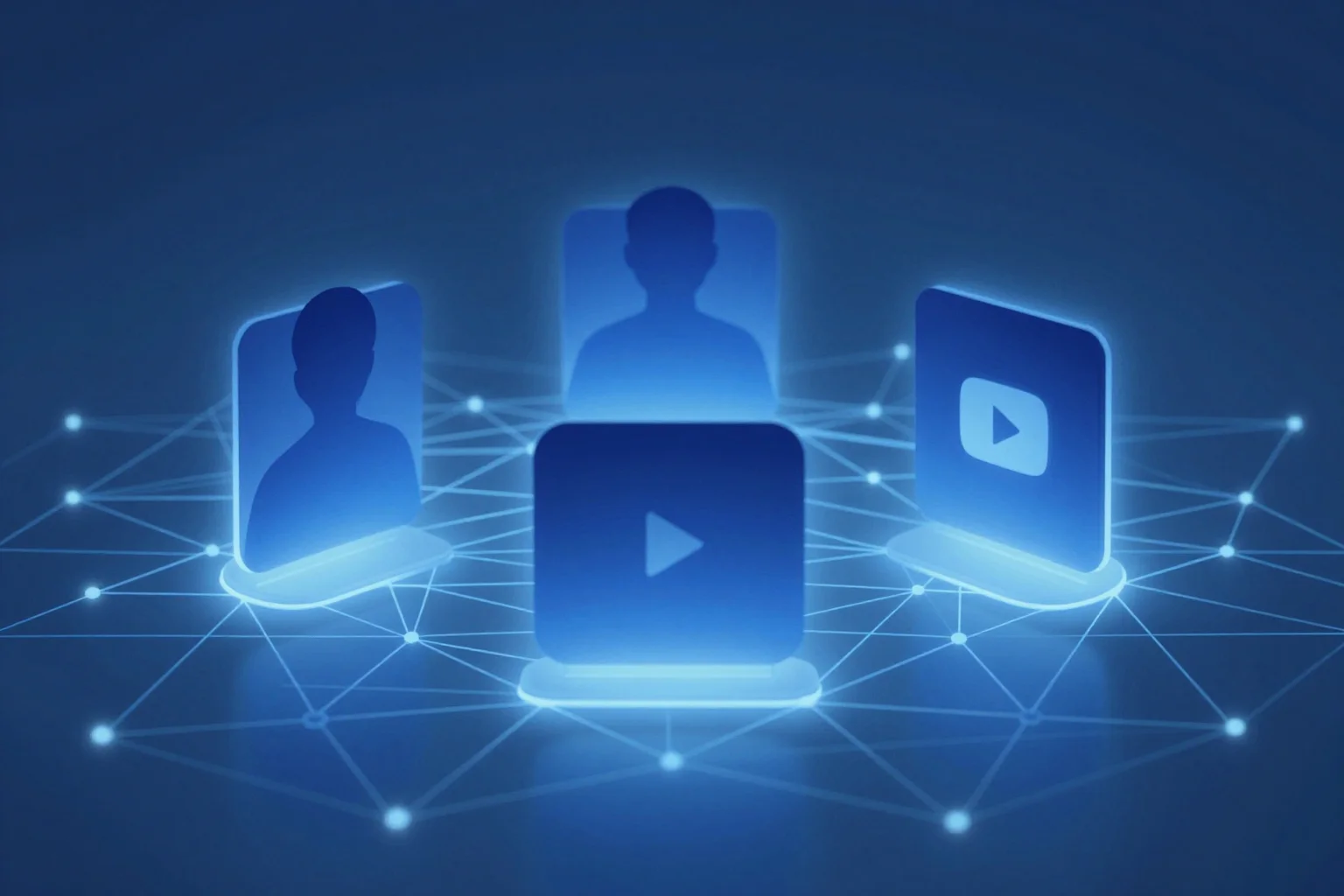
YouTube success in 2025 increasingly depends on your ability to leverage the broader social ecosystem. This comprehensive guide reveals how to build strategic presence across multiple platforms without diluting your focus or burning out your creative energy. You’ll master the platform-specific adaptation frameworks that transform your YouTube content into native-feeling posts for Instagram, TikTok, Twitter, LinkedIn, and emerging platforms. From content atomization strategies that multiply your output to cross-platform funnels that convert followers into YouTube subscribers, this guide provides the systematic approach to multi-platform growth. Whether you’re just beginning to expand beyond YouTube or optimizing an existing multi-platform presence, these principles will help you build a cohesive digital ecosystem where each platform serves distinct strategic purposes while driving toward your central YouTube goals.
First Principles: Why Cross-Platform Strategy Matters
The Discovery Distribution Challenge
YouTube’s algorithm, while powerful, represents only one discovery pathway. Relying solely on YouTube limits your reach to viewers already engaged with the platform. Cross-platform strategy multiplies your discovery surfaces:
Algorithmic Diversity: Different platforms use different recommendation systems. Content that underperforms on YouTube might thrive on TikTok. Diversifying across algorithms increases your overall discovery probability.
Audience Behavior Patterns: People consume content differently across platforms. YouTube favors long-form, intentional viewing. TikTok favors quick, passive scrolling. Instagram favors visual aesthetics. Twitter favors real-time commentary. Meeting audiences in their native consumption modes expands reach.
The Platform Migration Trend: Social media users increasingly migrate between platforms, but they don’t bring their followings. A TikTok star with millions of followers must rebuild on YouTube from scratch. Building presence across platforms simultaneously captures audiences wherever they spend time.
The Risk Mitigation Imperative
Platform dependence creates existential vulnerability:
The Algorithm Change Risk: YouTube algorithm updates can decimate channels overnight. Those with diversified audiences survive platform shifts; those without face potential collapse.
The Policy Change Risk: Platform policy changes - monetization requirements, content restrictions, community guideline enforcement - can eliminate business models. Multi-platform creators pivot more easily than single-platform dependents.
The Platform Decline Risk: Platforms rise and fall. Vine disappeared. MySpace collapsed. TikTok faces regulatory threats. No platform is permanent. Your audience should exist beyond any single platform.
The Account Security Risk: Hacks, bans, and technical failures can eliminate years of work instantly. Multi-platform presence provides insurance against single-point-of-failure disasters.
The Strategic Platform Ecosystem
Each platform should serve distinct purposes within your broader strategy:
YouTube as the Hub: YouTube remains your primary platform - longest content, deepest engagement, strongest monetization, and most comprehensive creative expression. Other platforms serve to drive traffic here.
Short-Form as the Discovery Engine: TikTok, YouTube Shorts, and Instagram Reels serve discovery - reaching new audiences efficiently and converting them to long-form content consumers.
Social Media as the Relationship Layer: Twitter/X, Instagram posts, and LinkedIn serve relationship-building - maintaining presence between uploads, sharing thoughts and updates, and humanizing your brand.
Community Platforms as the Retention System: Discord, Patreon, and email serve your most invested fans - deepening relationships and creating sustainable revenue independent of algorithmic distribution.
Platform-Specific Strategy: Mastering Each Surface
TikTok: The Discovery Accelerator
TikTok’s algorithm favors fresh creators and new content, making it exceptional for initial discovery and audience building.
Content Strategy:
- Repurpose YouTube content into 15-60 second highlights
- Create platform-native content that feels organic to TikTok (trends, sounds, formats)
- Post 1-3 times daily to maximize algorithmic testing
- Use trending sounds and hashtags strategically without feeling forced
The YouTube Conversion Funnel:
- Profile bio links to YouTube channel or specific videos
- End videos with verbal CTAs: “Full video on my YouTube - link in bio”
- Create TikTok-specific content that naturally leads to YouTube depth
- Use pinned comments for YouTube links
Content Atomization: Break YouTube videos into TikTok-ready clips: single tips or insights; dramatic moments or reveals; controversial takes or hot opinions; and behind-the-scenes or process glimpses.
Best Practices:
- Hook within 0.5 seconds (TikTok users scroll fast)
- Use vertical 9:16 format
- Add captions (most TikTok watching is sound-off)
- Engage immediately with comments to boost algorithmic distribution
Instagram: The Visual Brand Builder
Instagram’s visual-first nature makes it ideal for brand aesthetics and lifestyle positioning.
Content Strategy:
- Reels: Repurpose TikTok/Shorts content (cross-posting acceptable)
- Feed Posts: High-quality thumbnails, behind-the-scenes, and aesthetic content
- Stories: Real-time updates, polls, casual interaction, and link sharing
- IGTV/Long-form: Extended content for Instagram-native audiences
The YouTube Conversion Funnel:
- Link in bio tools (Linktree, Beacons) to YouTube content
- Stories swipe-up links (for accounts with 10K+ followers)
- “Link in bio” verbal references in Reels
- Preview content that requires YouTube for full value
Visual Consistency:
- Maintain aesthetic cohesion with YouTube thumbnails
- Use consistent color schemes and visual identity
- Develop recognizable photo/video style
- Create Instagram-specific content that supplements YouTube
Best Practices:
- Post Reels daily for algorithmic presence
- Use Stories for authentic, unpolished connection
- Engage with comments within first hour
- Leverage Instagram’s shopping features if applicable
Twitter/X: The Thought Leadership Platform
Twitter excels for real-time commentary, industry perspective, and community conversation.
Content Strategy:
- Thread summaries of YouTube video insights
- Real-time reactions to industry news or trends
- Polls and questions that drive engagement
- Behind-the-scenes thoughts and process shares
The YouTube Conversion Funnel:
- Tweet video links with compelling hooks
- Create threads that tease full video content
- Quote-tweet your own videos with additional context
- Engage in relevant conversations where your videos add value
The Engagement Loop:
- Reply to comments and mentions promptly
- Participate in relevant hashtag conversations
- Share and comment on others’ content (build reciprocal relationships)
- Use Twitter Spaces for live audio engagement
Best Practices:
- Tweet 3-5 times daily for consistent presence
- Use threads for complex ideas that require explanation
- Quote-tweet rather than simple retweet to add value
- Maintain consistent voice that matches YouTube personality
LinkedIn: The Professional Authority Builder
For business, educational, or career-focused content, LinkedIn provides professional credibility and B2B reach.
Content Strategy:
- Article summaries of YouTube educational content
- Professional insights and industry commentary
- Career journey and lessons learned shares
- Thought leadership on your niche’s business aspects
The YouTube Conversion Funnel:
- Embed YouTube videos in LinkedIn articles
- Share video links with professional context
- Create LinkedIn-native content that references YouTube depth
- Use LinkedIn newsletters for regular content distribution
The Professional Network Effect:
- Connect with industry peers and complementary professionals
- Engage with comments thoughtfully and professionally
- Share others’ valuable content to build reciprocal relationships
- Participate in relevant LinkedIn groups
Best Practices:
- Post 2-3 times weekly (LinkedIn favors consistency over volume)
- Use professional tone while maintaining authenticity
- Leverage LinkedIn articles for long-form content
- Optimize profile to clearly communicate your YouTube focus
YouTube Shorts: The Native Discovery Tool
YouTube Shorts serves as both competitor to TikTok and funnel to your long-form content.
Content Strategy:
- Repurpose TikTok content directly (no penalty for cross-posting)
- Create Shorts-specific content that complements long-form
- Use Shorts to test content concepts before long-form investment
- Develop Shorts series that drive subscription and long-form viewing
The Long-Form Conversion Funnel:
- End Shorts with verbal CTAs to long-form content
- Use pinned comments to link related long-form videos
- Create Shorts that tease or summarize long-form videos
- Develop “part 1 in Shorts, part 2 on main channel” series
Best Practices:
- Post Shorts daily for algorithmic momentum
- Use hashtags strategically (#Shorts is required)
- Hook immediately - Shorts viewers scroll even faster than TikTok
- Monitor Shorts analytics to identify concepts worth expanding
Content Atomization: Maximizing Output from Single Sources
The Atomization Framework
Transform one YouTube video into multiple platform-specific assets:
The YouTube Long-Form (Core Asset): Your comprehensive, 10-60 minute video containing complete content, all insights, and full production value.
The Short-Form Clips (TikTok, Shorts, Reels): Break long-form into 3-5 short clips: the strongest hook or opening moment; single tip or insight extracted; controversial or surprising statement; behind-the-scenes or process glimpse; and emotional or funny moment.
The Visual Assets (Instagram, Twitter): Create static or motion graphics: quote cards from key insights; thumbnail variations or behind-the-scenes; carousel posts explaining key concepts; and infographic summaries of video content.
The Text Content (Twitter, LinkedIn): Extract written content: thread summarizing video insights; individual tweets highlighting key points; LinkedIn article expanding on video topic; and newsletter content for email subscribers.
The Audio Content (Podcasts, Audio Platforms): Repurpose audio: podcast episode from video audio; audio clips for social platforms; and voice notes or thoughts for community posts.
The Atomization Workflow
Systematic atomization prevents random, inconsistent execution:
During Production:
- Identify short-form clip moments while filming
- Create quotable soundbites intentionally
- Film B-roll that works as standalone social content
- Plan behind-the-scenes capture for authenticity
Post-Production:
- Edit long-form with clip extraction in mind
- Export specific timestamps for short-form creation
- Create quote graphics using video stills or graphics
- Write thread summaries while content is fresh
Publication Schedule:
- Day 0: YouTube long-form release
- Day 1: Short-form clips across TikTok, Shorts, Reels
- Day 2-3: Thread tweets and LinkedIn article
- Day 4-7: Instagram posts, Stories, and follow-up content
- Ongoing: Repurpose evergreen clips periodically
The Content Calendar: Plan atomization in advance: identify which videos warrant full atomization; schedule short-form creation before long-form completion; and batch similar tasks (all quote graphics, all short-form edits).
Cross-Platform Funnels: Converting Followers to Subscribers
The Platform-to-YouTube Journey
Design intentional pathways from each platform to YouTube:
The Profile Funnel: Every platform profile should direct to YouTube: bio links point to channel or specific videos; pinned posts highlight best YouTube content; and highlights/stories feature YouTube links.
The Content Tease: Create platform content that requires YouTube for full satisfaction: “I explain the complete method in my latest video - link in bio”; “Part 2 of this story is on my YouTube channel”; and “The full tutorial with all steps is linked below.”
The Exclusive Promise: YouTube content provides value unavailable on other platforms: “I share my full process only on YouTube”; “The detailed breakdown is too long for here - watch on YouTube”; and “Subscribe for the comprehensive guide.”
The Consistency CTA: Regular, natural calls-to-action: end every TikTok with YouTube reference; include YouTube links in every relevant tweet; and mention YouTube in Instagram captions consistently.
Conversion Optimization
Maximize the percentage of platform followers who become YouTube subscribers:
The Landing Page Strategy: Use link-in-bio tools that showcase YouTube content: feature recent videos prominently; organize by topic or series; and include subscription CTAs.
The Specific Link Approach: Link to specific videos rather than generic channel when contextually relevant. “Here’s how I solved that problem [specific video]” outperforms “Check out my YouTube channel.”
The Value Alignment: Ensure platform content accurately represents YouTube value. If TikTok promises comedy, YouTube must deliver comedy. Misalignment creates bounce and disappointment.
The Soft Sell: Avoid aggressive, repetitive promotion that feels desperate. Integrate YouTube references naturally: mention YouTube when contextually relevant; share YouTube content you genuinely want to promote; and let quality speak rather than pushing constantly.
Platform Management: Sustainability Without Burnout
The Time Allocation Strategy
Cross-platform presence can consume infinite time. Allocate strategically:
The Priority Matrix: Rank platforms by strategic importance: Platform 1 (YouTube): 60% of time; Platform 2 (primary short-form): 20% of time; Platform 3-4 (secondary): 15% of time; and Platform 5+ (maintenance): 5% of time.
The Batch Creation: Create platform content in batches: film 5-10 TikToks in one session; write a week of tweets in one sitting; and schedule posts using management tools.
The Automation Balance: Use tools to maintain presence: scheduling tools (Buffer, Hootsuite, Later); cross-posting automation (where appropriate); and notification management for engagement.
The Delegation Strategy: As you grow, consider: hiring social media managers for specific platforms; using editors for short-form clip creation; and community managers for engagement and moderation.
The Content Quality Threshold
Maintain quality standards across all platforms:
The Platform-Native Standard: Content should feel appropriate for each platform, not awkwardly repurposed. TikTok content should feel like TikTok content, even if derived from YouTube.
The Consistent Voice: While formats vary, your voice and personality should remain consistent. Followers should recognize you across platforms.
The Quality Floor: Never post content just to post. Poor-quality cross-platform content damages your brand more than absence would.
Analytics and Optimization: Measuring Cross-Platform Success
The Key Metrics Framework
Track metrics that indicate cross-platform strategy effectiveness:
Platform Health Metrics:
- Follower/subscriber growth rate per platform
- Engagement rate (likes, comments, shares per follower)
- Content performance consistency
- Audience demographic alignment with YouTube
Conversion Metrics:
- Click-through from platform to YouTube (use UTM parameters)
- YouTube subscriber source analysis (which platforms drive subs)
- Video performance correlation (do platform-promoted videos perform better?)
- Cross-platform audience overlap
Efficiency Metrics:
- Time invested per platform vs. results generated
- Content atomization ROI (one video → how many platform assets?)
- Platform maintenance burden
- Cross-platform funnel effectiveness
Qualitative Indicators:
- Community sentiment across platforms
- Brand perception consistency
- Content resonance (which platform content gets shared most?)
- Creator satisfaction and sustainability
The Optimization Cycle
Continuously improve based on data:
Monthly Analysis:
- Review which platforms drive most YouTube traffic
- Identify which content types perform best per platform
- Assess time investment vs. return for each platform
- Note emerging platform trends or algorithm changes
Quarterly Strategy Review:
- Evaluate platform portfolio (add, maintain, or deprioritize platforms?)
- Adjust time allocation based on performance data
- Test new content formats or approaches
- Set specific goals for next quarter
Annual Strategic Assessment:
- Comprehensive platform ecosystem review
- Long-term trend analysis
- Platform risk assessment
- Strategic direction adjustment
Checklist: Cross-Platform Mastery
Platform Selection and Setup
- Audited audience presence across potential platforms
- Selected 2-4 platforms based on strategic fit and capacity
- Optimized profiles on each platform with clear YouTube links
- Established consistent branding across all platforms
- Set up analytics tracking for cross-platform measurement
- Created content atomization workflow
- Established priority time allocation per platform
Content Strategy and Creation
- Developed platform-specific content strategies
- Created atomization workflow for YouTube to short-form
- Established batch creation systems for efficiency
- Planned platform content calendars aligned with YouTube schedule
- Designed conversion funnels from each platform to YouTube
- Maintained platform-native quality standards
- Ensured consistent voice across all platforms
Cross-Platform Funnels
- Optimized bio links and profile CTAs for YouTube conversion
- Created content teasers that drive YouTube traffic
- Implemented consistent, natural YouTube references
- Used specific video links rather than generic channel links
- Designed landing pages that showcase YouTube value
- Maintained value alignment between platform and YouTube content
- Balanced promotion with authentic, non-desperate positioning
Management and Sustainability
- Implemented batch creation for platform content
- Used scheduling tools for consistent posting
- Established time boundaries to prevent burnout
- Considered delegation or automation as scale demands
- Maintained quality thresholds across all platforms
- Created feedback loops for continuous optimization
- Built systems that remain sustainable long-term
Analytics and Optimization
- Set up UTM tracking for cross-platform click measurement
- Monitoring follower growth and engagement per platform
- Analyzing YouTube subscriber sources by platform
- Tracking time investment vs. results per platform
- Conducting monthly performance reviews
- Performing quarterly strategy adjustments
- Completing annual platform ecosystem assessments
Platform-Specific Content Strategies
The TikTok Algorithm Mastery
Understanding TikTok’s unique algorithm is essential for cross-platform success:
The For You Page (FYP) Mechanics: TikTok’s algorithm prioritizes: watch time percentage (not just views); re-watches and shares; comments and engagement velocity; and completion rates.
Optimize for TikTok specifically: hook within 1 second (faster than YouTube); design for loop-worthy content (rewatch value); create comment-bait moments (controversy, questions); and leverage trending sounds strategically.
The TikTok-YouTube Bridge: Design content that naturally leads to YouTube depth: “The full tutorial is on my YouTube - link in bio”; tease comprehensive guides that require long-form explanation; and create series where TikTok provides highlights and YouTube provides depth.
The Instagram Reels Strategy
Instagram’s algorithm differs from TikTok in key ways:
The Explore Page Priority: Reels prioritize: shares to stories; saves (highest algorithmic weight); comments; and watch time.
Create save-worthy content: educational tips viewers want to reference; inspirational quotes or moments; and practical how-to snippets.
The Instagram Ecosystem Integration: Leverage Instagram’s interconnected features: Reels feed → Profile visit → Link in bio → YouTube; Stories for real-time engagement and link sharing; and IGTV for medium-form content between Reels and YouTube.
The Twitter/X Engagement Strategy
Twitter requires different content thinking:
The Conversation-First Approach: Twitter rewards: replies and conversation depth; retweets with commentary; and thread engagement.
Create discussion-worthy content: hot takes on industry topics; questions that invite response; and controversial but defensible positions.
The Thread Mastery: Convert YouTube content into Twitter threads: summarize key insights in 10-15 tweets; use screenshots from videos; end with link to full content; and engage with every reply to boost algorithmic distribution.
Cross-Platform Content Calendar Strategy
The Weekly Cross-Platform Rhythm
Systematic posting prevents platform neglect:
Monday: YouTube long-form release; TikTok teaser clips; Instagram Reels highlights Tuesday: Twitter thread summarizing YouTube content; LinkedIn professional angle; Instagram Stories behind-the-scenes Wednesday: Community engagement across all platforms; respond to comments and DMs Thursday: TikTok trend participation (if relevant to niche); Instagram Reels secondary content Friday: YouTube Shorts release; weekend-themed content on social platforms Weekend: Community building; respond to accumulated engagement; plan next week’s content
The Content Batch Creation System
Efficiently produce multi-platform content:
The Production Day: Film YouTube content with short-form extraction in mind: capture vertical B-roll for TikTok/Reels; record quotable soundbites; and create behind-the-scenes footage.
The Editing Batch: Edit long-form first, then extract: identify 3-5 TikTok/Reels moments; create quote graphics; and write thread outlines while content is fresh.
The Scheduling Batch: Use tools to schedule across platforms: Buffer or Later for Instagram/Twitter; native TikTok scheduling; and YouTube Studio scheduling.
The Platform Risk Mitigation Strategy
The Platform Diversification Framework
Protect against platform dependence:
The 50/30/20 Rule: 50% of audience attention on YouTube (primary platform); 30% on secondary platform (TikTok or Instagram); 20% across remaining platforms. This ensures no single platform represents existential risk.
The Email List Imperative: Build email lists independent of platforms: newsletter subscribers; course or resource email captures; and community platform emails. Email provides direct access regardless of algorithm changes.
The Owned Platform Strategy: Develop presence you control: personal website or blog; owned community platforms (Discord, Circle); and merchandise or product stores.
The Platform Transition Planning
Prepare for platform shifts:
The Migration Strategy: If a platform declines: identify where your audience is migrating; establish presence on emerging platforms early; and maintain YouTube as the stable hub.
The Audience Portability: Ensure you can reach audiences regardless of platform: email lists; community platforms; and cross-platform following.
Advanced Cross-Platform Tactics
The Platform-Specific Optimization
Tailor content for each platform’s unique characteristics:
Vertical vs. Horizontal: TikTok, Instagram Reels, YouTube Shorts: 9:16 vertical; YouTube long-form, Twitter, LinkedIn: 16:9 horizontal; and Instagram feed: 4:5 or 1:1 square.
Caption Strategy: TikTok: full captions (most watch without sound); Instagram: minimal text, visual-first; Twitter: text-optimized, can be text-only; and LinkedIn: professional tone, longer-form acceptable.
Sound Usage: TikTok: trending sounds essential; Instagram: original audio or trending; Twitter: typically silent; and YouTube: high-quality audio critical.
The Cross-Platform Analytics Integration
Measure ecosystem performance holistically:
The Unified Dashboard: Track across platforms: total audience size (deduplicated); cross-platform engagement rates; YouTube subscriber sources by platform; and total watch time across all platforms.
The Attribution Modeling: Understand platform contribution: first-touch attribution (which platform drove initial discovery); last-touch attribution (which platform drove the subscription); and multi-touch attribution (platform combination effects).
The Platform-Specific Content Psychology
Understanding Platform User Intent
Each platform serves different user needs and contexts:
TikTok: The Entertainment Escape: Users seek: quick dopamine hits; entertainment and distraction; trend participation; and discovery of new creators. Optimize for: immediate hooks; entertainment value; trend-jacking; and personality-driven content.
Instagram: The Lifestyle Aspiration: Users seek: aesthetic inspiration; lifestyle ideals; visual storytelling; and aspirational content. Optimize for: visual polish; lifestyle alignment; aesthetic consistency; and aspirational messaging.
Twitter/X: The Information and Opinion: Users seek: real-time information; hot takes and opinions; community discussion; and professional networking. Optimize for: timely commentary; strong opinions; conversation initiation; and industry expertise.
LinkedIn: The Professional Development: Users seek: career advancement; industry insights; professional networking; and skill development. Optimize for: professional value; career relevance; industry authority; and educational content.
YouTube: The Deep Engagement: Users seek: comprehensive information; long-form entertainment; educational depth; and community connection. Optimize for: thorough coverage; sustained engagement; educational value; and personality connection.
The Cross-Platform User Journey
Map how users move between platforms:
The Discovery Path: TikTok/Instagram → YouTube: Short-form discovery leads to long-form consumption.
The Engagement Path: YouTube → Twitter/Discord: Video consumption leads to community discussion.
The Professional Path: LinkedIn → YouTube: Professional interest leads to skill development content.
The Community Path: YouTube → Discord/Patreon: Content consumption leads to community membership.
Platform Content Creation Workflows
The Efficient Multi-Platform Production
Maximize output from single recording sessions:
The Multi-Format Recording: Film content with platform diversity in mind: capture vertical footage for TikTok/Instagram; record quotable soundbites for Twitter; and create professional segments for LinkedIn.
The Template-Based Creation: Develop templates for each platform: standardized thumbnail designs; consistent video intros/outros; and repeatable content formats.
The Batch Processing Approach: Group similar tasks for efficiency: edit all TikToks together; create all graphics in one session; and write all captions simultaneously.
The Content Repurposing System
Transform single content pieces into multi-platform assets:
The Video-to-Text Pipeline: Extract written content from videos: transcript-based articles; quote compilations; and social media thread content.
The Long-to-Short Pipeline: Break long-form into short-form: key moment clips; tip compilations; and highlight reels.
The Audio Extraction Strategy: Repurpose video audio: podcast episodes; audio clips for social; and voiceover content.
Cross-Platform Community Management
The Unified Community Strategy
Manage community across platforms cohesively:
The Consistent Voice Across Platforms: Maintain personality while adapting tone: YouTube: comprehensive and educational; TikTok: energetic and entertaining; Twitter: conversational and timely; and LinkedIn: professional and insightful.
The Cross-Platform Engagement: Move community members between platforms: YouTube viewers → Discord community; TikTok followers → YouTube subscribers; and Twitter followers → email newsletter.
The Platform-Specific Community Building: Tailor community strategies: YouTube: comments and community posts; TikTok: duets and stitches; Instagram: stories and DMs; and Discord: real-time chat and events.
The Cross-Platform Crisis Management
Handle issues that span multiple platforms:
The Coordinated Response: Address controversies consistently: acknowledge issues on all platforms; maintain consistent messaging; and avoid platform-specific denials or admissions.
The Platform-Appropriate Messaging: Adapt crisis communication: YouTube: detailed explanation video; Twitter: concise statement thread; Instagram: story explanation; and Discord: community Q&A.
The Monitoring Across Platforms: Track sentiment everywhere: social listening tools; manual platform monitoring; and community feedback aggregation.
The Future of Cross-Platform Strategy
The Emerging Platforms
Prepare for new platform opportunities:
The Platform Evaluation Framework: Assess new platforms for: audience demographic fit; content format compatibility; time investment required; and strategic value potential.
The Early Adopter Advantage: Benefits of joining platforms early: less competition; algorithm preference for early creators; and audience loyalty to pioneers.
The Platform Lifecycle Awareness: Understand platform maturity: growth phase (high opportunity, high risk); maturity phase (stable, competitive); and decline phase (diversify away).
The Integrated Ecosystem Vision
Build seamless multi-platform presence:
The Single Brand, Multiple Expressions: Maintain brand consistency while platform-adapting: consistent visual identity; unified messaging; adapted content formats; and platform-appropriate engagement styles.
The Cross-Platform Analytics Integration: Measure ecosystem performance: unified dashboard tracking; attribution modeling; and ROI analysis by platform.
The Strategic Platform Portfolio: Curate platform presence strategically: primary platforms (heavy investment); secondary platforms (moderate maintenance); and experimental platforms (low-commitment testing).
Conclusion: The Multi-Platform Imperative
YouTube success in 2025 requires ecosystem thinking. Your YouTube channel is the hub, but the spokes - TikTok, Instagram, Twitter, LinkedIn, and emerging platforms - drive discovery, build relationships, and protect against platform-specific risks.
The strategy is clear: use short-form platforms for discovery and YouTube funneling; use social media for relationship maintenance and thought leadership; use community platforms for deep engagement and revenue diversification; and atomize your YouTube content efficiently across all surfaces.
But execution requires discipline. Platform expansion can dilute focus, burn out creators, and produce mediocre content across the board. Success requires strategic platform selection, systematic content atomization, ruthless time management that prioritizes YouTube while maintaining meaningful cross-platform presence, and using tools like AutonoLab to identify which content performs best across platforms.
The creators who dominate in 2025 won’t be YouTube-only operators or scattered generalists. They’ll be strategic ecosystem builders - mastering YouTube as their primary platform while leveraging other surfaces for discovery, protection, and relationship depth.
Build your ecosystem thoughtfully. Start with platforms that serve your specific audience and content type. Expand deliberately as capacity allows. And always remember: every platform should drive toward your central YouTube goals while providing genuine value in its own right.